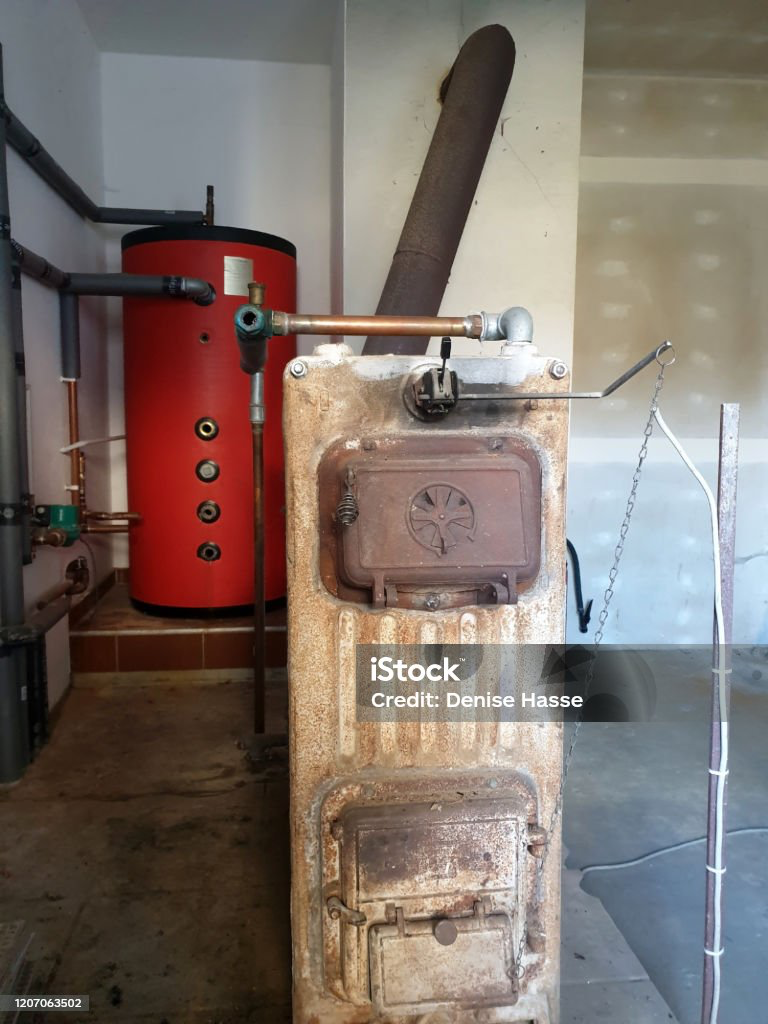
Gas boiler 2025 vs fuel oil: which choice for Brussels and Brabants?
In 2025, the gas boiler is generally more economical to use and more easily subsidised than the mazout in Brussels, Flemish Brabant and Walloon Brabant. The mazout remains relevant in areas not connected to gas, but its regulatory future is more restricted and its CO₂ emissions higher.
1) Why compare gas boiler 2025 and oil boiler Belgium now?
Are you hesitating between replacing a boiler or installing a new system in your home in Brussels, Flemishrabant or Walloonrabant? Between energy price changes, regional regulations and prices, the right choice isn’t just a question of initial budget: yield, emissions, maintenance and lifetime weigh just as heavily. The aim of this guide: to give you numerical benchmarks, local rules of the game and a clear decision-making framework, in the “problem → options → budget → action” style of Elemental Works.
Quick read
Gas: initial investment lower on average, easier integration in served area.
Oil: additional cost linked to the tank, environmental constraints and a more limited range of incentives.
3) Operating costs & efficiencies: who consumes the least?
3.1 Seasonal efficiency & useful kWh
Gas condensation: 92-109% PCI (the >100% value comes from the calculation on the PCI), very good in low temperature with regulation.
Condensing oil: 90-104% PCI, but ignition losses and inertias sometimes higher.
3.2 Annual expenditure (orders of magnitude)
For a 120-150 m² insulated house in Brussels/Brabants:
Gas boiler: €1,000 – €1,700/year depending on insulation, deposit and gas price.
Oil boiler: 1,300 – 2,100 €/year depending on insulation, set point and oil price.
The gas is often more competitive to use in 2025 in all three regions, but differences evolve with markets. Good adjustment (water law, sensor) saves 10-15%.
3.3 CO₂ emissions (environmental impact)
Gas: ~0.2 kg CO₂/kWh final (order of magnitude).
Oil: ~0.27 kg CO₂/kWh final. The oil emits more CO₂ per useful kWh and involves storage logistics (tank) subject to environmental rules.
4) Regulations 2025: what you need to remember (Brussels, BF, BW)
Without getting into local micro-exceptions, here’s the common framework to be aware of. Always check the most up-to-date regional text.
Emissions & performance: regions push for high efficiency systems (condensing boilers, climate control, temperature set-back).
Energy transitions: public policies less favourable to natural gas (fewer incentives, constraints on cuves and emissions).
Controls & maintenance: mandatory maintenance (periodicity and control items vary according to fuel and region), attestations to be retained.
PEB (Building Energy Performance): replacements must comply with performance requirements and good practice for regulation.
Practical translation: in Brussels & in Brabant, installing gas condensation is administratively simpler and better aligned with the 2030/2050 climate objectives than gas oil.
6) Which system for which housing? (Brussels, Flemish Brabant/Walloon)
Well insulated flat or house (<120 m²) : gas condensing + modulating regulation = excellent cost/efficiency compromise.
House 2-3 facades (120-180 m²) : gas advised if connection possible; otherwise mazout transitional pending broader energy renovation.
Large old house (>180 m²) with little insulation: mazout can offer the power required, but consider insulation work + gas (or hybrid solution) to reduce bill and emissions.
Renovate in stages: start by insulating (attics, facades, frames) to lower the power required, extend the life of the boiler, and reduce operating costs.
Receipt of the PV of commissioning, explanation of use & maintenance.
4. Monitoring (annual)
Mandatory maintenance + optimisation (curves, time slots).
Safety inspection (CO) and update of premium file if work phasing.
Recommendations according to your profile
Apartment in Brussels (well insulated, 60-100 m²): wall-mounted gas condensing boiler + modulating thermostat.
Family home in Walloon Brabant (120-180 m²): gas if connected; otherwise transient gas + priority insulation plan.
Large old house in Flemish Brabant: if gas accessible, condensing gas + network balancing; otherwise natural gas with rigorous programming, anticipating regulatory changes.
Gas or fuel oil: which energy will cost less in 2025? The gas is often cheaper to use in Brussels and the Brabants, with high efficiencies in condensation and more affordable prices. The mazout retains an interest in gas-free zones but incurs more emissions and constraints.
How long does a gas or oil boiler last? Ask for 15-20 years for a condensation boiler, whether gas or oil, with rigorous annual maintenance, a clean network (de-sludging) and appropriate tuning.
Are oil-fired boilers going to be banned? Their enforcement is being strengthened (environment, tanks, emissions). The regions favour performance and less carbon-intensive energies. Find out more before you invest.
What incentives exist in 2025? Regional incentives (Brussels Renolution, Wallonia Housing Incentives, Flanders Mijn VerbouwPremie) mainly support performance (condensation + regulation) and insulation.
How can I reduce my bill if I stick with oil? Optimise the regulation, lower the Start temperature, maintain annually, balance the network, insulate as soon as possible (attics/facades).
Do I have to change my radiators for a condensing boiler? Not necessarily. The gain depends on the T° regulator: the lower it is, the more efficient the condensation. Careful regulation helps to condense more often.
Conclusion – Gas or oil: your decision, our method
For 2025, the gas boiler most often ticks the overall cost, aid and emissions boxes in Brussels, Flemishrabant and Walloonrabant. The mazout retains its place in certain contexts (absence of gas, high power ratings), but requires regulatory vigilance. Want a reliable figure, help with premiums and sizing to the millimetre? We’ve got it covered.